The Beginner’s Guide to Demystifying Cyber Security

As our world becomes increasingly digital, cyber security has evolved into a hot topic both within and outside technical circles. Threat actors, scams, hacking and ransomware are terms that pepper our everyday conversations. Thus, understanding cyber security is now more important than ever. This article will provide a comprehensive guide on cyber security basics, how it plays a pivotal role in our digital world and tips on how to strengthen your digital fort.
Understanding Cyber Security
In plain terms, cyber security refers to the body of technologies and practices designed to protect networks, devices, applications, and data from attack, damage, or unauthorized access. As our reliance on technology grows, so does the scope of cyber security. It now covers everything from information security (defending personal and professional information from theft or damage) to disaster recovery (restoring data and systems in the event of a disaster).
Why Cyber Security?
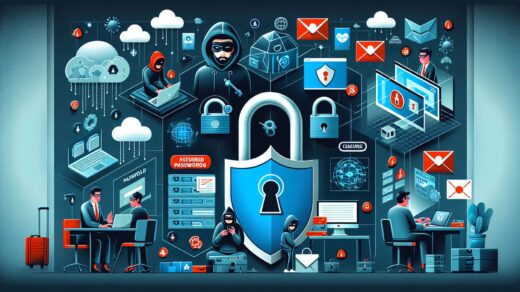
Perhaps the most obvious question is, why do we need cyber security? Well, let’s put it this way – do you lock your doors when you leave your house? Of course, you do, because you want to protect your property from thieves. Now, expand this concept to our vast digital world. Cyber security acts as digital “locks” on our digital “doors,” protecting valuable data and systems from unauthorized access and potential harm.
More specifically, there are a few core reasons why we need cyber security:
-
Increasing Digital Threats: With an increasing number of threat actors investing their time and resources in compromising digital assets, it’s crucial to have protection in place. This ranges from preventing hackers from stealing credit card details to stopping nation-states from accessing diplomatic secrets.
-
Compliance and Regulatory Requirements: Many industries now have strict regulatory requirements around data protection. This includes the HIPAA in healthcare, GDPR in the EU, and SOX for public corporations in the US. Failure to adhere to these standards could result in hefty fines and penalties.
-
Consumer Trust: A significant breach could destroy consumer trust and damage brand reputation irreparably. This is especially true for businesses that handle sensitive customer information.
A Look at Cyber Security Components
Cyber security is a broad field, which comprises various subfields, each related to particular facets. Here are a few key components:
-
Network security: Involves policies and practices adopted to prevent unauthorized access, misuse, or denial of a computer network.
-
Application security: Includes measures taken to ensure that applications are secure from threats. This could involve using software, hardware, and best practices.
-
Information security: Protects the confidentiality and integrity of data, both in storage and transit.
-
Operational security: Refers to the process of handling and protecting data assets.
-
Disaster recovery and business continuity planning: Involves planning for incident response, damage control, and business continuity in the event of a cyber attack.
-
End-user education: This involves training end-users on the best practices regarding how to use the network and applications securely.
Boosting Your Cyber Security
Here are a few simple yet effective strategies to fortify your cyber security:
-
Keep Software Updated: Ensure all your software, including operating systems, applications, and firmware, are updated regularly.
-
Use Strong Passwords: Don’t underestimate the power of a strong password. A combination of letters, numbers, and symbols can make it difficult for unauthorized users to access your data.
-
Install Anti-virus Software: Use reliable anti-virus software to protect your system against malware.
-
Secure Your Wi-Fi Network: Make sure your Wi-Fi network is secure, encrypted, and hidden.
-
Backup Your Data: Always back up your data regularly to recover your data in case of a disaster.
Conclusion: Stay Safe in the Cyber World
As our world surges toward an even more digitized future, it’s paramount we understand the value and importance of cyber security. This concept extends far beyond mere protection of personal data – it safeguards our personal lives, businesses, and national security. Let’s be cyber-wise and promote a safer, smarter digital world.