Unveiling the Art of Computer Forensics: A Digital Detective’s Toolbox

Hello tech enthusiasts!
In the interconnected world we live in, cybercrimes have become a significant concern. Hackers are always planning the next assault, trying to outdo security measures. This is where the realm of computer forensics steps in. Think of computer forensics as conducting a digital autopsy on a machine to uncover the events that transpired within it. Who did it, how was it done, when was it executed, and most importantly, can the evidence be used in a court of law? Let’s dive right in and unmask the art of computer forensics!
What is Computer Forensics?
Computer forensics, also known as cyber forensics or digital forensics, is a discipline focused on collecting, analyzing, preserving, and presenting evidence stored in any form of digital media. It aids in legal evidence gathering and cybersecurity. It follows a methodology that ensures a stringent chain of custody so that the digital evidence presented is admissible in a court of law.
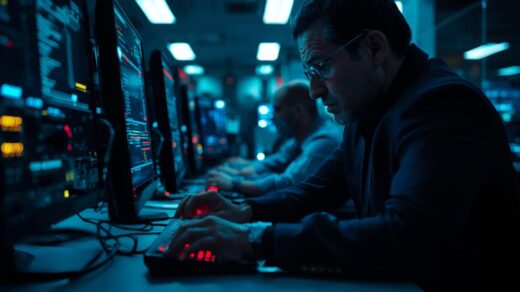
Just like forensic scientists probe a crime scene for evidence, digital forensics professionals investigate digital realms – computers, networks, software systems, databases, etc., in the aftermath of a cybercrime or security incident. Essential skills include understanding storage systems, operating systems, network protocols, advanced hacking techniques, and much more. Computer forensics experts are trained to uncover hidden clues buried in data and to connect the dots that others might miss.
The Computer Forensics Process
The process of computer forensics can be broken down into four key stages:
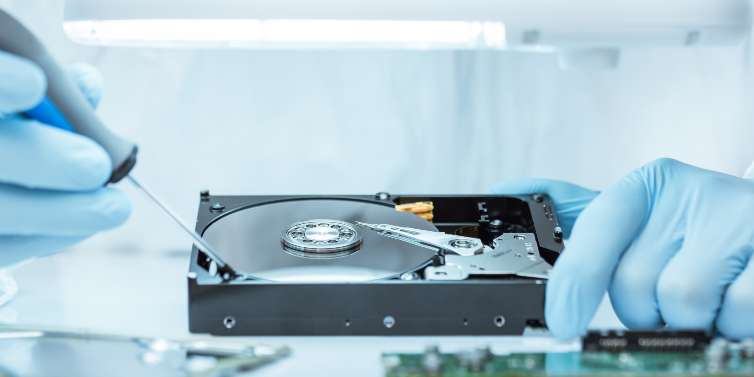
Collection: This stage involves physically isolating the device and identifying the sources of digital evidence. It’s crucial to carry out this process methodically to avoid tampering with the original evidence.
Examination: The investigators analyze the collected digital evidence without altering it. Various computer forensics tools are used in this process to extract the desired data.
Analysis: This stage involves digging deeper into the data, making sense of it and drawing conclusions. The analysis must be conducted in an unbiased fashion, only drawing conclusions based on what the evidence suggests.
Reporting: This is the final step where investigators document the process and outcome of the investigation. They prepare a report detailing the tools used, the evidence discovered, and the conclusions drawn, which can be used in the court of law.
Tools of The Trade
Here are some popular tools that computer forensics experts swear by:
-
Autopsy and The Sleuth Kit (TSK): Autopsy is a digital forensics platform, and TSK is a library that forms the base of Autopsy. The combo is used to analyze disk images and carry out in-depth analysis of file systems.
-
Volatility: It’s an open-source memory forensics framework. It helps investigators extract digital artifacts from volatile memory (RAM).
-
Wireshark: This tool analyzes network traffic. It is extremely useful in network forensics to inspect hundreds of protocols, and perform live capture and offline analysis.
-
EnCase: Widely accepted in the forensics community, it is a complete digital investigations platform that covers all stages of the forensics process.
Conclusion
Computer forensics is a fascinating field that combines elements of law enforcement with information technology. Although there can be many challenges – encryption, the increasing amount of data stored, and rapid technological changes, the expertise of these computer forensics experts can help solve complex cyber crimes, mitigate risks, and prevent future attacks.
If you’re already a cybersecurity professional looking to deepen your understanding, or an IT specialist exploring new possibilities – computer forensics could be a great career avenue. Catch the bad guys, secure the digital world, and who knows, you could be the Sherlock Holmes of the cyber realm!
Remember, in the world of cybercrime, the battleground is less about streets and more about drives!