An Overview of Computer Forensics: Unearthing Virtual Evidence

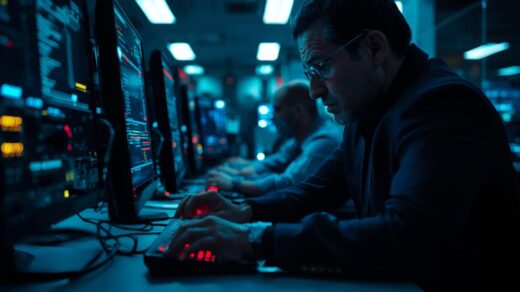
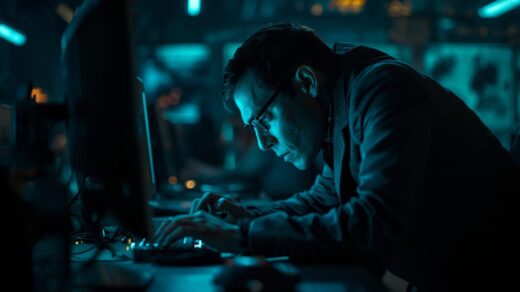
As we delve deeper into the digital age, mastering the art of computer forensics becomes increasingly critical. Experts in this field are not just conventionally IT-savvy individuals. They are virtual archeologists, adept at sifting through binary soil to recover valuable, often game-changing evidence. This blog post will take you on an exploration of computer forensics, its importance, and the processes involved.
What is Computer Forensics?
In its simplest terms, computer forensics refers to the systematic investigation of computer systems or digital media with the intention of discovering and analyzing potentially legal evidence. It is a branch of digital forensic science related to evidence extracted from computers and digital storage media.
Just like a traditional forensic investigation involves collecting and analyzing physical evidence, computer forensics is primarily concerned with digital evidence— buried amidst bytes and bits. The evidence unearthed may be used in court, often related to cyber-crime, though it may also serve other purposes, such as incident response or internal investigations.
The Importance of Computer Forensics
We live in an era where our lives are woven into the digital fabric. Most of our activities, personal and professional, leave digital footprints that can tell an entire story, given a capable storyteller. This is where a computer forensic expert comes in, narrating tales hidden within binary codes.
The importance of computer forensics expands across different domains. For businesses, it can help determine the severity of a data breach, identify culprits, and secure weak spots. For law enforcement, it can be instrumental in establishing identities, motivations, event sequences, or even geographic locations. It is no exaggeration to say that in numerous situations, the undertaking of computer forensics has tipped the scales between innocence and guilt, loss and recovery, chaos and security.
The Computer Forensics Process
Like any precise science, computer forensics follows a clear, structured process. This not only ensures a thorough and efficient investigation but also maintains the integrity of evidence. Here’s a general step-by-step overview of the process:
1. Identification
The first step in any forensic process is to identify potential sources of evidence. This could be any digital device, including computers, smartphones, external storage devices, even cloud servers. The relevance of the data is determined based on the nature of the case.
2. Preservation
This is a critical step as it involves making a copy of the data found in the identified sources to prevent any alteration, accidental or otherwise. Usually, a binary or bit-stream copy is made, which is an exact duplication of every bit and byte in the source device.
3. Analysis
Here, the investigator takes a deep dive into the copied data. Sophisticated tools and techniques are used to recover deleted files, hidden data and, if necessary, decrypt encrypted files. Every tiny fragment of data could hold significance. Hence, it is arguably the most skilled and labor-intensive step in the process.
4. Documentation
Analyzing data uncovers the story hidden in the digital system. The forensic expert documents this story along with every evidence and every step taken during the process. This documentation serves as a detailed roadmap if ever the need arises to recreate the investigation.
5. Presentation
Finally, the results and findings are compiled in a comprehensive, easy-to-understand manner. This is primarily aimed at non-tech savvy individuals, often jurors, judges, attorneys, or company executives.
In Conclusion
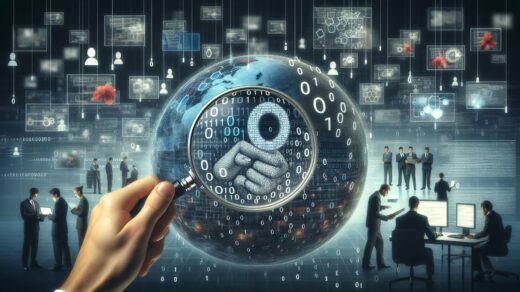
With the prominence of digital technology and the consequent surge in cyber-crimes, computer forensics has become a vital tool in ensuring justice, security, and peace of mind. Armed with specialized tools and sophisticated techniques, a computer forensic expert is indeed a techno-detective, unveiling truths hidden in the unseen labyrinth of 0’s and 1’s. Despite its technical demands, it remains an exciting and rewarding field that combines analytical thinking, problem-solving, and IT skills to make a real-world impact.