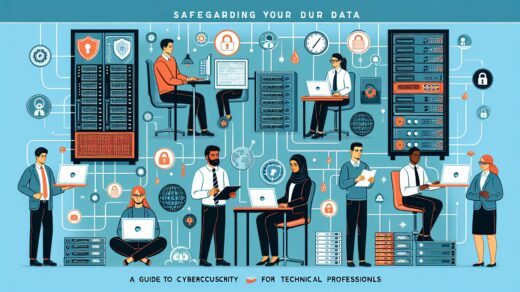
Safeguarding Your Data: A Friendly Guide to Cyber Security

In today’s digital age, the safety and security of our data are more important than ever. With cyber threats constantly evolving and becoming more sophisticated, it’s crucial for individuals and businesses to take proactive measures to protect their sensitive information. Whether you’re a techie or just someone who wants to keep their data safe, understanding the basics of cyber security is essential.
Understanding Cyber Security
Cyber security is the practice of protecting systems, networks, and data from digital attacks. These attacks can come in various forms, such as malware, phishing scams, ransomware, and more. The goal of cyber security is to prevent unauthorized access to information and ensure the confidentiality, integrity, and availability of data.
Data Recovery
One important aspect of cyber security is data recovery. In the unfortunate event that your data is compromised or lost due to a cyber attack, having a robust data recovery plan in place is essential. Data recovery involves recovering and restoring data that has been lost, corrupted, or compromised. This process can be complex and time-consuming, but with the right tools and expertise, you can successfully retrieve your data and minimize the impact of a cyber attack.
Computer Forensics
Computer forensics is another crucial component of cyber security. This practice involves collecting, analyzing, and preserving electronic evidence to investigate cyber crimes and security incidents. Computer forensics experts use specialized tools and techniques to recover deleted files, trace digital footprints, and uncover evidence of cyber attacks. By utilizing computer forensics, businesses and law enforcement agencies can identify cyber criminals and prevent future attacks.
Preventive Measures
While data recovery and computer forensics are important for responding to cyber incidents, the best approach to cyber security is prevention. There are several measures you can take to protect your data and systems from cyber threats:
- Keep your software up to date: Regularly update your operating system, antivirus software, and other programs to patch security vulnerabilities.
- Use strong passwords: Create unique, complex passwords for each of your accounts and enable two-factor authentication whenever possible.
- Be cautious of phishing scams: Avoid clicking on suspicious links or providing personal information in unsolicited emails.
- Backup your data: Regularly back up your important files to an external hard drive or cloud storage to ensure that you can recover them in case of a cyber attack.
Conclusion
In conclusion, cyber security is a critical aspect of modern technology that everyone should prioritize. By understanding the fundamentals of cyber security, implementing preventive measures, and being prepared for data recovery, you can safeguard your data and protect yourself from cyber threats. Remember, it’s better to be proactive and take steps to prevent cyber attacks than to deal with the consequences of a security breach. Stay safe, stay secure, and keep your data protected.