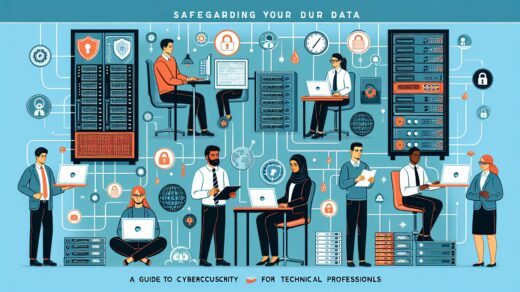
Safeguarding Your Data: A Look into Cyber Security

In a world where technology is advancing at an incredible rate, the need for robust cyber security measures has never been more important. With the rise of cyber attacks and data breaches, it is crucial for individuals and organizations alike to protect their sensitive information from falling into the wrong hands. Whether you are a small business owner handling customer data or an individual who wants to keep their personal information safe, understanding the basics of cyber security is essential.
Understanding Cyber Security
Cyber security refers to the practice of protecting computer systems, networks, and data from unauthorized access, theft, or damage. It encompasses a range of measures that are designed to safeguard information and prevent cyber attacks. These measures include encryption, firewalls, anti-virus software, and regular security updates. By implementing these tools and practices, individuals and organizations can reduce the risk of a cyber security incident occurring.
Common Cyber Security Threats
There are various types of cyber security threats that individuals and organizations need to be aware of. These include malware, phishing attacks, ransomware, and social engineering. Malware refers to malicious software that is designed to infiltrate a computer system and cause harm. Phishing attacks involve fraudulent emails or websites that trick individuals into revealing sensitive information. Ransomware is a form of malware that encrypts a victim’s files and demands payment for their release. Social engineering tactics are used to manipulate individuals into divulging confidential information.
Importance of Data Recovery
In the event that a cyber security incident does occur, data recovery becomes essential. Data recovery is the process of restoring lost, damaged, or corrupted data from a computer system or storage device. This can be done using specialized software or services that are designed to recover data that has been accidentally deleted or lost due to a cyber attack. By implementing data recovery measures, individuals and organizations can minimize the impact of a cyber security incident and restore their information in a timely manner.
Computer Forensics
Computer forensics is another crucial aspect of cyber security. It involves the collection, analysis, and preservation of digital evidence that is used in criminal investigations and legal proceedings. Computer forensics experts are trained to extract information from computer systems, mobile devices, and other electronic devices to uncover evidence of cyber crimes. By utilizing computer forensics techniques, law enforcement agencies and organizations can gather the necessary evidence to prosecute cyber criminals and prevent future cyber attacks.
Conclusion
In conclusion, cyber security is a vital component of modern technology that cannot be overlooked. By understanding the basics of cyber security, individuals and organizations can protect their sensitive information from cyber threats and data breaches. Implementing robust cyber security measures, such as encryption, firewalls, and data recovery solutions, is essential in safeguarding against cyber attacks. By staying informed and proactive in addressing cyber security threats, we can all play a role in creating a safer and more secure digital environment.