The Critical Role of Computer Forensics in the Modern World

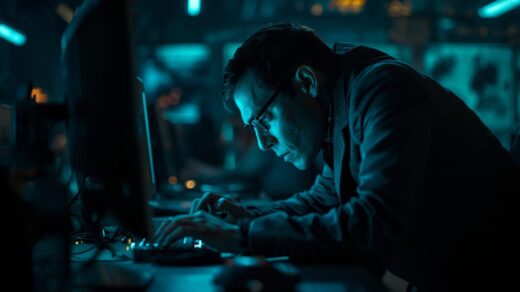
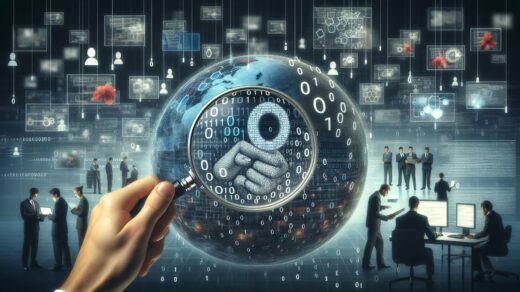
In an era where our lives, businesses, and even governments exist within the digital landscape, the traces we leave behind can tell powerful stories. Computer forensics sits at the crossroads of technology and investigation, unearthing the hidden evidence within our electronic devices. These specialists are more than IT professionals—they are digital detectives, piecing together fragments of code to uncover truth, prevent fraud, and secure organizations from cyber threats.
What Is Computer Forensics?
At its heart, computer forensics is the methodical investigation of computers, networks, and digital storage devices to locate and analyze data that may serve as evidence. This field is closely tied to cybersecurity but extends into legal, corporate, and personal contexts.
Unlike simple data recovery, computer forensics preserves the integrity of the data, ensuring that it can withstand legal scrutiny if needed. Whether uncovering a malicious insider, tracing a cyberattack, or supporting law enforcement, the practice is rooted in both precision and discipline.
Why Computer Forensics Matters
Every click, download, and digital transaction leaves a footprint. These digital imprints can help:
-
Businesses: Detect breaches, identify vulnerabilities, and trace unauthorized access.
-
Law Enforcement: Establish timelines, confirm identities, and connect digital evidence to criminal activity.
-
Individuals: Recover stolen or lost personal information, including emails, photos, and documents.
In short, computer forensics helps bridge the gap between suspicion and proof, ensuring accountability in an increasingly digital society.
The Computer Forensics Workflow
A successful investigation balances technical skill with careful procedure. While each case may vary, the process generally follows these steps:
-
Evidence Identification: Investigators pinpoint potential sources of relevant data, from desktops and laptops to mobile devices, cloud storage, and external drives.
-
Data Preservation: Using forensically sound methods, experts create exact copies of data to prevent alteration or contamination. These bit-level duplicates safeguard the integrity of evidence.
-
Analysis: This stage often requires specialized software to recover deleted files, decrypt sensitive data, or detect hidden or obscured information. Even seemingly insignificant fragments can reveal critical insights.
-
Documentation: Each discovery and every step taken is meticulously recorded, providing a clear trail that can be reviewed by auditors, attorneys, or courts.
-
Reporting and Presentation: Finally, findings are compiled into a concise and understandable format. The goal is to communicate technical details in a way that non-technical stakeholders can grasp and act upon.
Emerging Challenges in Computer Forensics
The field is constantly evolving. Cloud computing, IoT devices, and encrypted communication platforms introduce new layers of complexity. Modern forensic experts must adapt to:
-
Encrypted and anonymized data streams complicate traditional recovery methods.
-
Remote and distributed systems, where evidence may be stored across multiple devices or geographic locations.
-
Sophisticated malware designed to erase or obscure digital traces.
The ongoing race between cybercriminals and forensic specialists demands continual learning, innovative techniques, and advanced tools.
Beyond Crime: Corporate and Cybersecurity Applications
Computer forensics is not only about law enforcement. Many organizations now rely on forensic methods to:
-
Investigate internal security breaches.
-
Trace intellectual property theft.
-
Analyze the root cause of system failures or cybersecurity incidents.
These proactive applications highlight how forensic expertise can protect assets, prevent reputational damage, and strengthen overall digital resilience.
Secret Theft Investigations
Secret theft investigations focus on uncovering cases where confidential business information, trade secrets, or intellectual property have been stolen or misused. Experts in secret theft investigations use digital forensics, surveillance, and data analysis to trace leaks, identify suspects, and gather legally admissible evidence. These investigations help organizations protect their competitive advantage and prevent future security breaches.
Conclusion
Computer forensics is a vital pillar in the digital era. It combines investigative rigor, technological expertise, and analytical thinking to uncover hidden truths and ensure accountability. Every recovered file, every reconstructed timeline, and every decrypted message contributes to a safer, more transparent digital world.
For those in the field, computer forensics offers both challenges and rewards, a chance to solve complex digital puzzles while making a tangible impact on businesses, individuals, and society at large. In this invisible battlefield, forensic experts are the silent guardians, ensuring that the stories our devices tell are used to uphold truth, security, and justice.